LIFE Multi Peat

-
-
Project LIFE Multi Peat id LIFE20 CCM/DE/001802
LIFE Multi Peat
Project LIFE Multi Peat id LIFE20 CCM/DE/001802
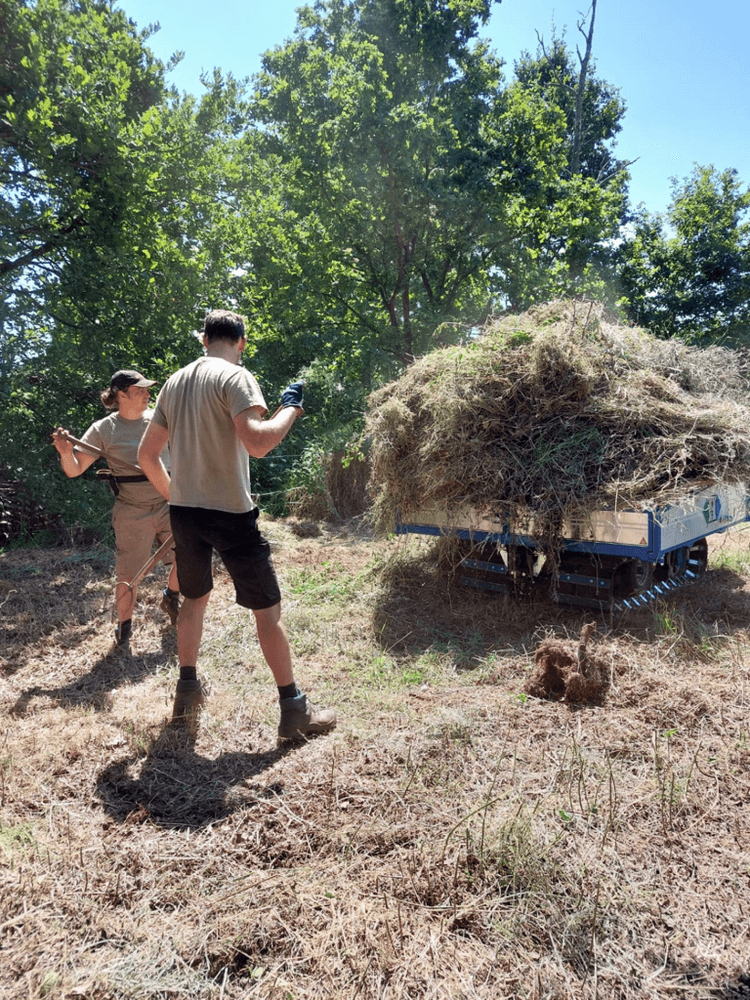
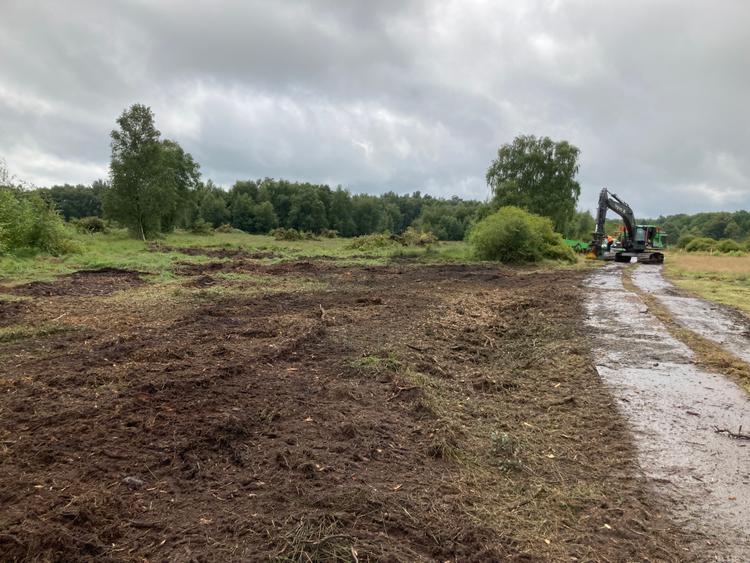
The restoration measures seek to reestablish the natural function as a carbon sink of peatlands. This mainly entails rewetting drained areas, though actions vary according to individual conditions of each project site. For example, in some areas shrubs and trees are removed and active planting of peat forming vegetation is carried out.
Poland (252 ha): Orawa Bogs - located in the southern part of Poland. It covers one of the largest complexes of raised bogs in the country and the largest of such in the Polish Carpathian Mountains
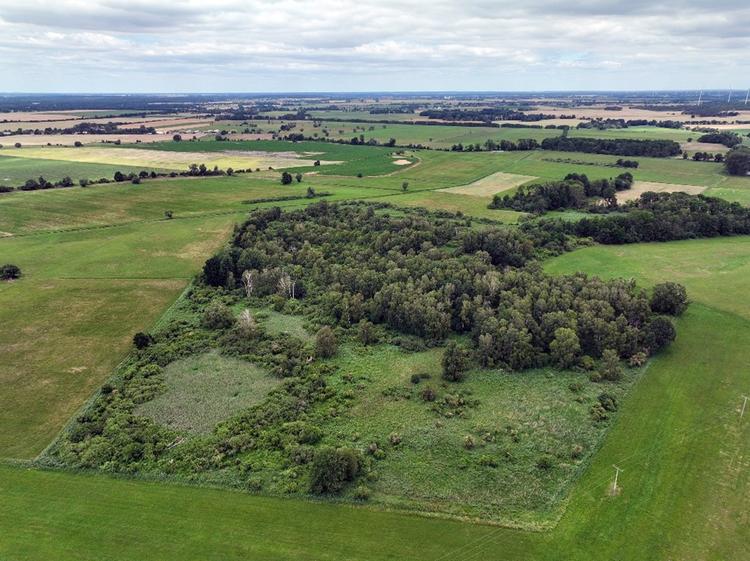
Germany (20 ha): Häsener Luch - located within the municipality of Löwenberger Land in north-east Germany. It is a representative example of the 105,000 hectares of fen peatlands under agricultural use
Belgium (130 ha): Vallei van de Grote Beek - lies north of the Valley of the Zwarte Beek and is located in 3 municipalities: Beringen, Ham and Leopoldsburg. Like the Valley of the Zwarte Beek, the Valley of the Grote Beek is a fen peatland, originally a percolation mire
Netherlands (30 ha): Witte Veen - Natura 2000 area Witte Veen is a cross border area, located south of the Dutch city of Enschede. The main threats to the raised bog arise from activities that drain water from the peat, thus resulting in drying out
The content of this website has been machine translated for your convenience. All efforts have been made to provide accurate content; however, no automated translation is perfect. No guarantee is made or implied as to the accuracy or reliability of any automated translations made between English and any other language. Some content may not be accurately translated due to the limitations of the translation software. In the event of any discrepancy, misstatement, omission or error appearing in the various translations, the English version shall prevail.
Co-funded by the European Union. Views and opinions expressed are however those of the author(s) only and do not necessarily reflect those of the European Union or CINEA. Neither the European Union nor the granting authority can be held responsible for them.
 EN
EN